


Route Planning
Map route requirements, trench depth, and site access before deploying Vedhan 150.
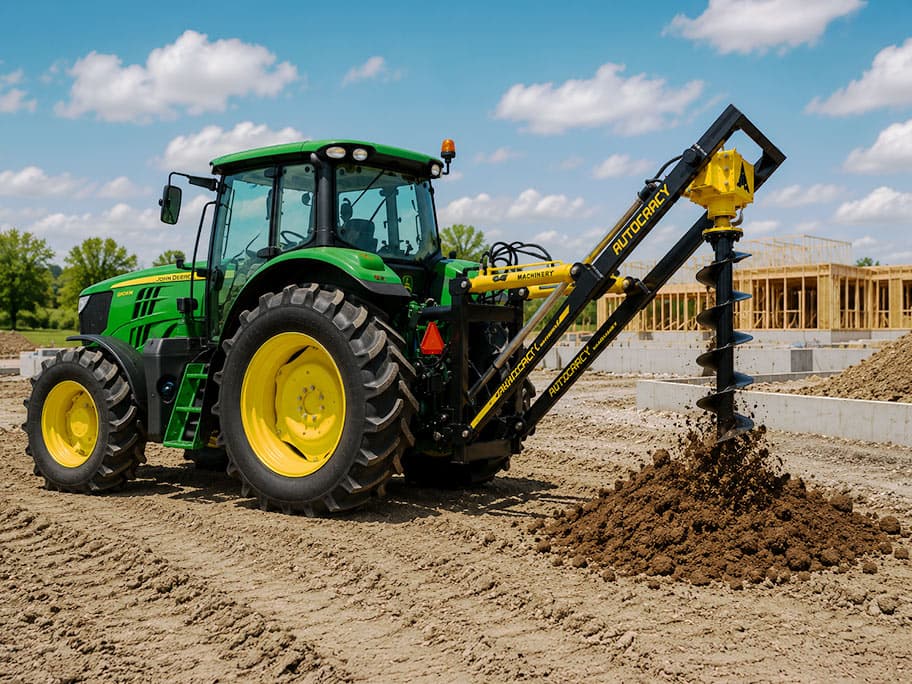
Vedhan 150 | Attachment
Tractor
35 - 60 HP
60 - 120 holes/hour
900 mm
10-20 LPM
120 - 160 bar
150-300 mm
Optical Fiber Cable deployment projects frequently require the installation of utility poles, route markers, distribution structures, and supporting telecom infrastructure along linear network corridors. Consistent foundation preparation is critical to maintaining pole alignment, structural stability, and route design specifications. The Vedhan 150 is engineered to support these requirements through accurate drilling of pole foundation holes across greenfield routes, roadside alignments, rural connectivity projects, and network expansion programs.
Its ability to create uniform hole diameters and depths helps telecom contractors maintain installation consistency while reducing dependency on manual excavation methods. As a Vedhan 150 OFC Post Hole Digger, the machine supports efficient preparation of pole locations across long deployment stretches, helping project teams accelerate route development activities while maintaining compliance with engineering and installation requirements.
PROJECT EXECUTION
OFC Telecommunications
Modern fiber network projects often require pole-based infrastructure where underground deployment is impractical or where rapid network expansion is required. The Vedhan 150 supports drilling operations for telecom poles, route identification markers, access control structures, and network support installations across utility corridors and last-mile connectivity programs. Its drilling capability enables contractors to prepare foundation locations efficiently while maintaining the spacing and alignment standards specified within network design plans.
Acting as a Vedhan 150 Telecom Pole Installation Machine, it assists field teams in establishing stable foundations for aerial fiber deployment systems. The machine is particularly valuable in distributed project environments where numerous pole locations must be completed within strict construction schedules while ensuring reliable structural support for communication infrastructure assets.
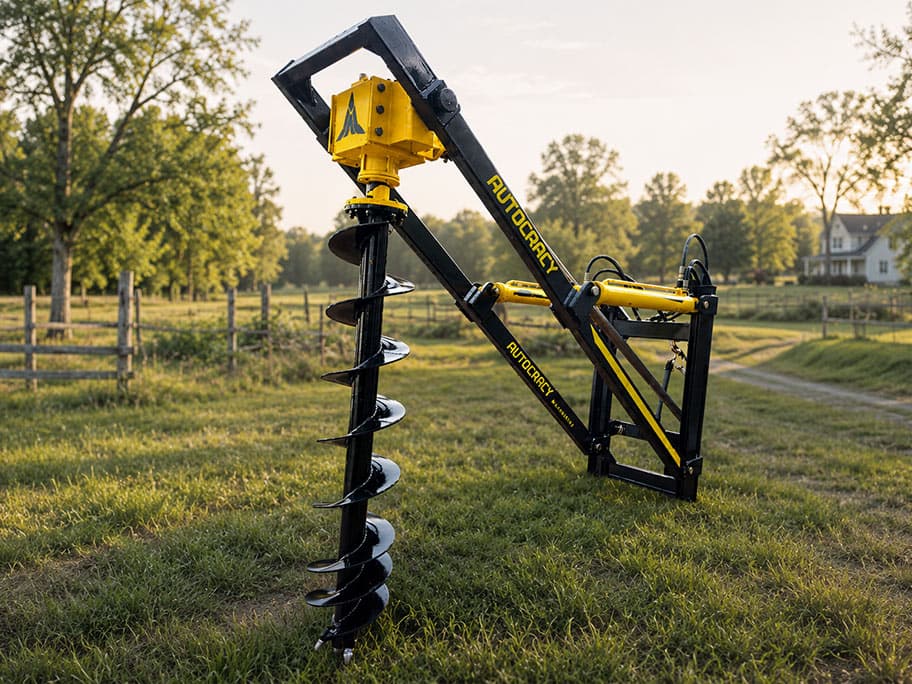
OFC Telecommunications
Successful OFC deployment depends on maintaining efficient progress across surveying, foundation preparation, pole erection, cable installation, and network commissioning activities. Delays during pole foundation development can directly impact downstream construction schedules and increase project costs. Project teams therefore prioritize drilling accuracy, productivity, and repeatability across large route sections.
The Vedhan 150 supports these objectives by enabling consistent hole preparation for telecom infrastructure installations while reducing variability associated with manual excavation. As a Vedhan 150 OFC Infrastructure Drilling Machine, it helps contractors improve resource utilization, maintain construction sequencing, and support faster deployment of pole-based fiber networks. This structured approach contributes to improved installation quality, predictable project timelines, and efficient execution of large-scale optical fiber infrastructure programs.
WORKFLOW
Map route requirements, trench depth, and site access before deploying Vedhan 150.
Use the attachment setup to keep trench output consistent across rural, semi-urban, and last-mile utility corridors.
Cleaner trench profiles help duct laying, cable pulling, jointing, and surface restoration teams proceed with less rework.
Autocracy Machinery can help match machine configuration, brochure details, and application guidance to the project.
APPLICATION SUPPORT
Share your site conditions, output goals, and timeline so the Autocracy team can guide model fit, brochure details, and next steps for your project.
Built for performance. Trusted by contractors, municipalities, and EPC teams across sectors.
| Feature | Value |
|---|---|
| Machine Overall Length | 2200 - 2400 mm |
| Machine Overall Width | 800 - 1000 mm |
| Machine Overall Height | 1600 - 1800 mm |
| Machine Weight | 150 - 300 kg |
Common questions about using Vedhan 150 in this application.
Industry model fit in Peru
Vedhan 150 Vedhan 150 is listed here for project teams in Peru planning ofc telecommunications work with post hole digger. Selection should come down to carrier fit, operating method, right-of-way, duct depth, spoil handling, traffic interface, and crew sequencing, and whether the machine supports route accuracy, cable protection, trench consistency, and kilometre-level productivity.
For OFC Telecommunications work, compare Vedhan 150 against right-of-way, duct depth, spoil handling, traffic interface, and crew sequencing before finalising equipment deployment, because these details decide whether the machine fits the route, access, and daily output target.
Vedhan 150 may suit OFC cable laying, telecom ducts, utility corridors, broadband rollout, and city network expansion when access, output goals, support arrangements, and follow-on crews line up with the job.
Use the page to move from specification review into a clearer discussion about ofc telecommunications suitability, brochure details, field support, and quotation requirements.
For post hole digger, check auger diameter, hole depth, soil condition, tractor capacity, pole handling, and crew safety together with road shoulders, urban corridors, utility crossings, and long linear cable routes; this helps separate a suitable ofc telecommunications setup from a generic model match.

