


Route Planning
Map route requirements, trench depth, and site access before deploying Rudra Amphimax 100EP.
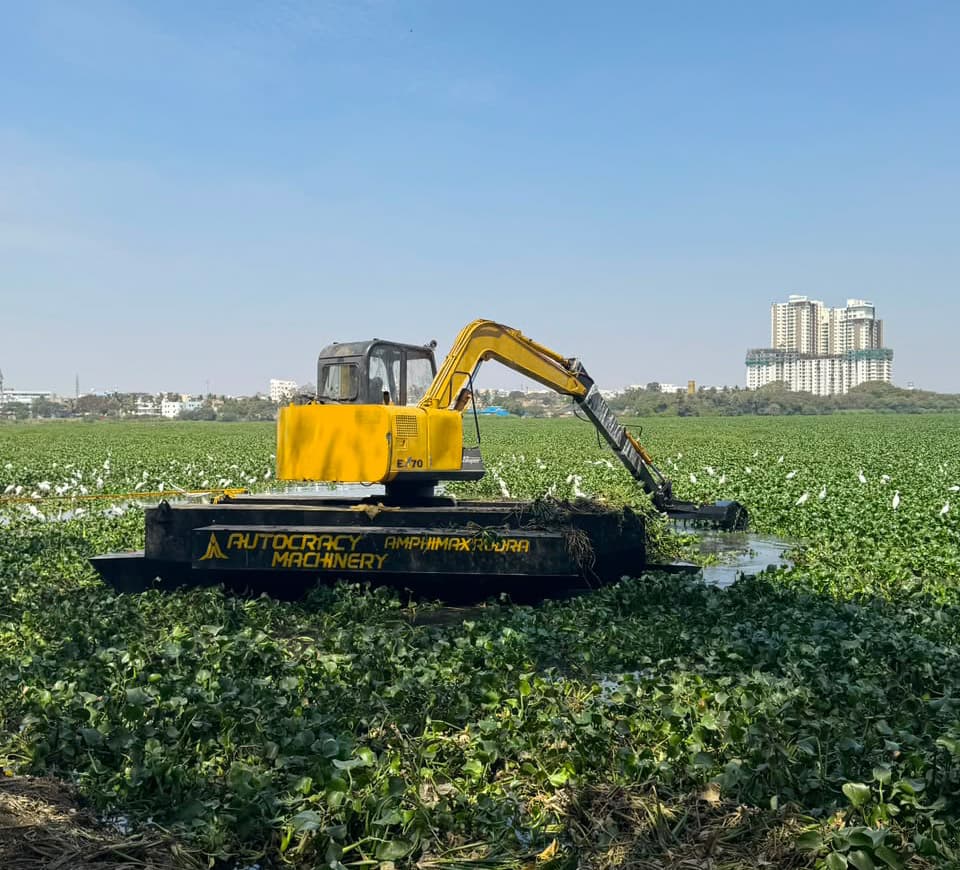
Rudra Amphimax 100EP | Equipment
Amphibious Excavator
6 - 10 Tonnes
9.25 m
3.39 - 4.19 m
3.65 m
Length: 6.93 m | Width: 1.30 m | Height: 1.66 m
1.15 m
Rudra Amphimax 100EP is configured for Environmental Sustainability field execution where controlled output and reliable site performance are essential.
Rudra Amphimax 100EP helps teams working across project corridors, utility routes, and practical site conditions improve consistent output, dependable productivity, and cleaner handoff between teams.
PROJECT EXECUTION
Environmental Sustainability
Amphibious Excavator is used for Environmental Sustainability field execution where route consistency and execution speed directly impact rollout schedules.
Teams deploy it across project corridors, utility routes, and practical site conditions with planning around site access, output goals, soil condition, trench dimensions, and project timeline.
The machine helps maintain cleaner worksite output for installation, backfill, inspection, and support teams.
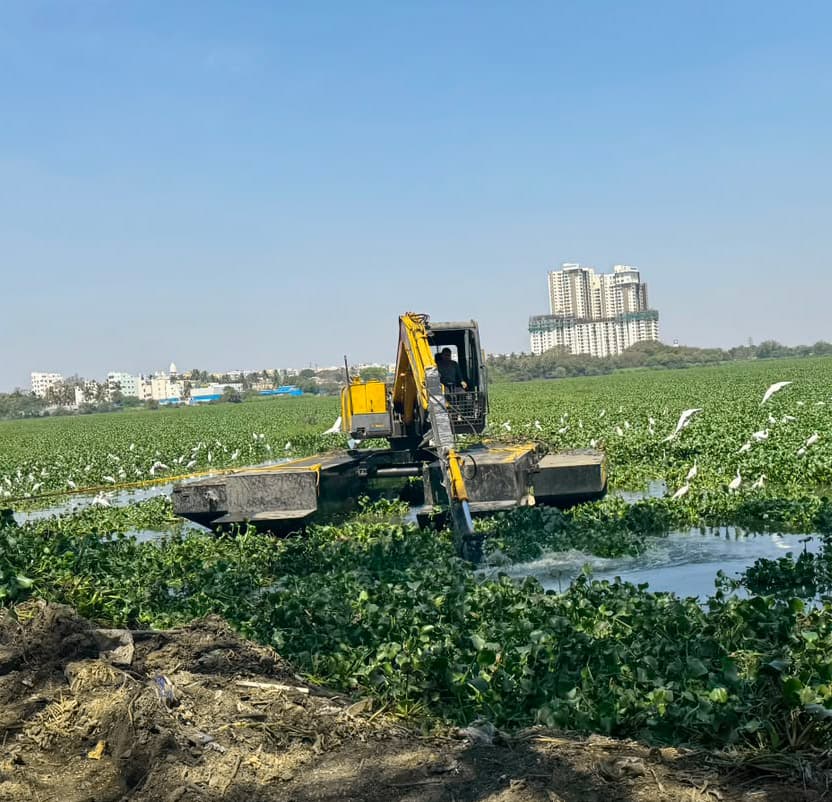
Environmental Sustainability
Maintain consistent trench depth and alignment to reduce rework during Environmental Sustainability field execution and site reinstatement.
Plan route productivity based on site access, output goals, soil condition, trench dimensions, and project timeline.
Use predictable trench output to improve handoff quality between installation, backfill, inspection, and support teams.
WORKFLOW
Map route requirements, trench depth, and site access before deploying Rudra Amphimax 100EP.
Use the attachment setup to keep trench output consistent across project corridors, utility routes, and practical site conditions.
Cleaner trench profiles help installation, backfill, inspection, and support teams proceed with less rework.
Autocracy Machinery can help match machine configuration, brochure details, and application guidance to the project.
APPLICATION SUPPORT
Share your site conditions, output goals, and timeline so the Autocracy team can guide model fit, brochure details, and next steps for your project.
The specification table below contains the latest dimensional, technical, productivity, efficiency, operational, and maintenance features supplied for this model.
| Feature | Value |
|---|---|
| Bucket Capacity | 0.26 m³ |
| Boom Configuration | 4.5 – 5.5 m |
| Arm Length | 3 m |
| Maximum Digging Depth | 3.8 m |
| Engine Output | 40 - 50 kW |
| Hydraulic Flow | 120 - 180 L/min |
| Hydraulic Pressure | 280 - 320 bar |
| Fuel Tank Volume | 130 L |
| Fuel Usage | 5 - 8 L/hr |
| Travel Speed (Land) | 2 - 4 km/h |
| Travel Speed (Water) | 1 - 2 km/h |
| Buoyancy Capacity | Up to 10 Ton |
Common questions about using Rudra Amphimax 100EP in this application.
Industry model fit in India
Rudra Amphimax 100EP Rudra Amphimax 100EP is presented for Environmental Sustainability applications on India project sites, where a equipment has to work around mixed field conditions, access limits, and project deadlines. This page adds india-focused context for amphibious excavator, so teams can judge whether the model supports equipment fit, reliable output, operator workflow, and service support.
Start by checking Rudra Amphimax 100EP against site access, working depth, carrier compatibility, productivity target, and deployment timing; that route-specific review is more useful than treating every amphibious excavator page as the same model brochure.
Common environmental sustainability use cases for Rudra Amphimax 100EP include infrastructure, utility, municipal, and contractor-led field work, provided the site setup supports the machine, crew movement, and next work stage properly.
Use this model page to discuss Environmental Sustainability fit, specification limits, transport readiness, brochure details, and quote requirements with Autocracy Machinery.
project teams in India should confirm terrain stability, work reach, mobility through wet ground, and excavation sequence before shortlisting Rudra Amphimax 100EP, especially when mixed field conditions, access limits, and project deadlines affect access or productivity.


