


Route Planning
Map route requirements, trench depth, and site access before deploying Forklift 3T.
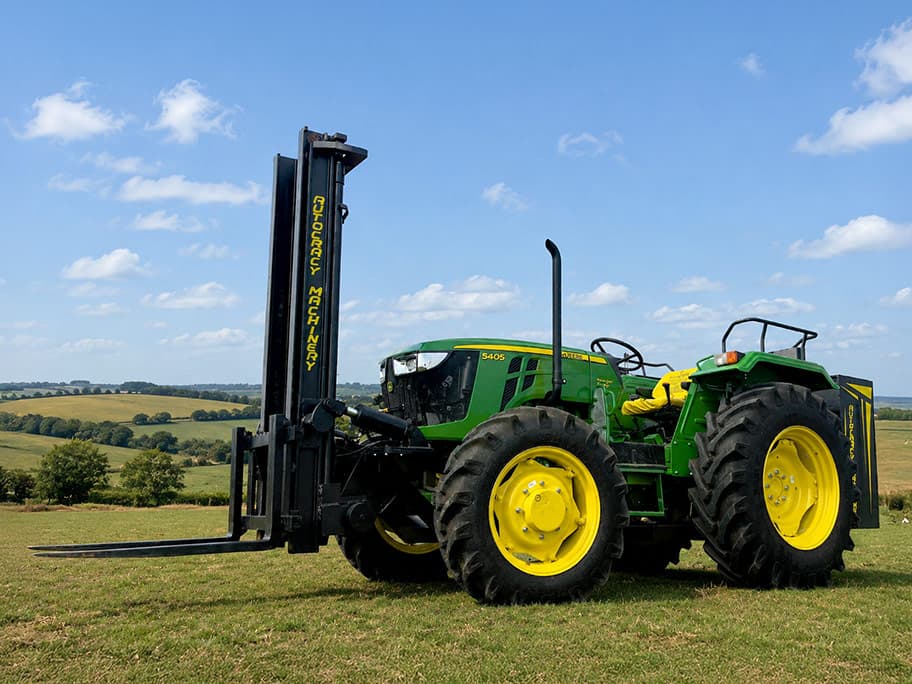
- | Attachment
Tractor
3000 kgs
up to 3000 mm
>90 HP
1220 mm
125 mm
1500 mm
Landscaping projects frequently involve the coordinated movement of materials across large, multi-zone sites where accessibility, scheduling, and resource allocation directly influence productivity. The Forklift 3T provides an effective handling solution for transporting irrigation systems, planting materials, retaining wall components, pathway construction supplies, and site infrastructure elements. Its tractor-mounted configuration allows operators to navigate undeveloped terrain, temporary access routes, and confined working areas often encountered during landscape development.
The equipment supports efficient logistics planning by reducing material transfer distances and improving material availability at active work fronts. As a Forklift 3T Landscaping Attachment, it contributes to streamlined site operations where multiple installation activities must progress simultaneously while maintaining consistent material flow throughout project execution.
PROJECT EXECUTION
Landscaping
Landscape developments increasingly intersect with utility infrastructure requirements, including irrigation networks, drainage systems, lighting installations, communication pathways, and environmental enhancement programs. Efficient transportation of utility materials is essential to maintain progress across dispersed project areas. The Forklift 3T supports handling activities involving pipes, cable reels, conduit sections, equipment pallets, and maintenance materials required for utility corridor construction and last-mile connectivity works.
Its mobility enables operators to deliver materials directly to installation zones while minimizing disruption to ongoing site activities. Acting as a Forklift 3T Outdoor Utility Transport Attachment, the machine assists project teams in maintaining organized logistics operations across linear infrastructure alignments, landscaped public spaces, and utility access routes where conventional handling equipment may face operational limitations.
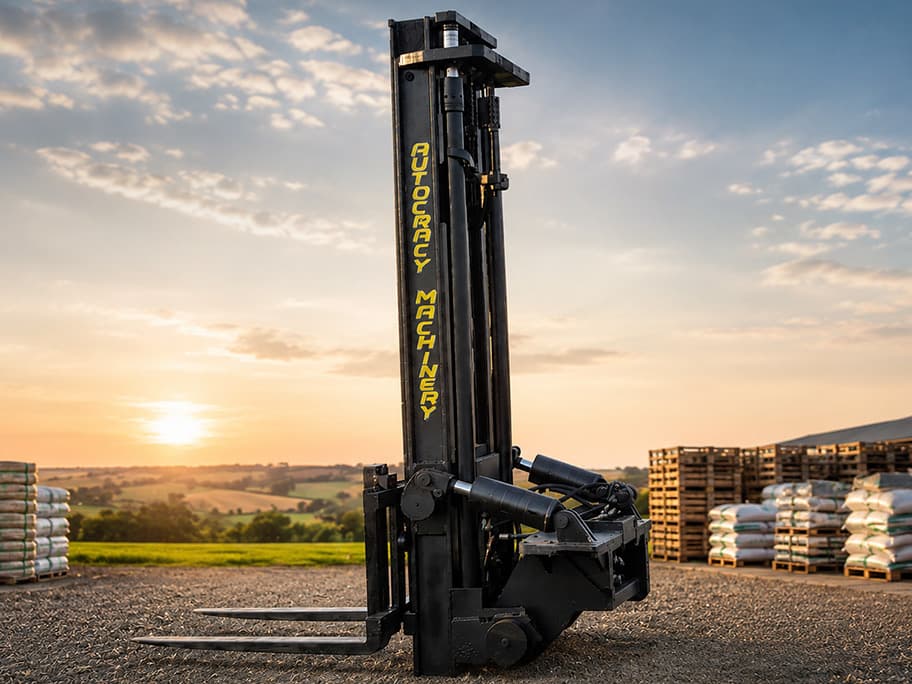
Landscaping
Successful landscaping execution requires careful coordination between material supply, workforce deployment, and site access management. Delays often occur when materials are unavailable at installation locations or when transportation resources cannot efficiently support multiple work areas. Project teams must prioritize equipment flexibility, safe load handling, and consistent material distribution to maintain productivity throughout construction phases.
The Forklift 3T supports these objectives by facilitating controlled movement of landscape supplies, infrastructure components, and operational resources across active project environments. As a Forklift 3T Grounds Utility Support Equipment, it helps contractors optimize site logistics while supporting efficient deployment of materials to crews working across separate project sections. This approach contributes to improved workflow continuity, reduced handling delays, and better utilization of available project resources.
WORKFLOW
Map route requirements, trench depth, and site access before deploying Forklift 3T.
Use the attachment setup to keep trench output consistent across farm lanes, park areas, plantation rows, and narrow landscaped spaces.
Cleaner trench profiles help pipe placement, sprinkler installation, drainage, and landscape reinstatement teams proceed with less rework.
Autocracy Machinery can help match machine configuration, brochure details, and application guidance to the project.
APPLICATION SUPPORT
Share your site conditions, output goals, and timeline so the Autocracy team can guide model fit, brochure details, and next steps for your project.
Built for performance. Trusted by contractors, municipalities, and EPC teams across sectors.
| Feature | Value |
|---|---|
| Overall length | 1200 mm |
| Attachment Total Weight | 850 – 1100 kg |
Common questions about using Forklift 3T in this application.
Industry model fit in India
Forklift 3T is listed here for project teams in India planning landscaping work with tractor attachments. Selection should come down to carrier fit, operating method, turf condition, access width, turning radius, restoration needs, and visible finish quality, and whether the machine supports surface protection, clean finishing, manoeuvrability, and controlled excavation.
For Landscaping work, compare Forklift 3T against turf condition, access width, turning radius, restoration needs, and visible finish quality before finalising equipment deployment, because these details decide whether the machine fits the route, access, and daily output target.
Forklift 3T may suit irrigation, turf work, lighting routes, garden utilities, nursery operations, and estate maintenance when access, output goals, support arrangements, and follow-on crews line up with the job.
Use the page to move from specification review into a clearer discussion about landscaping suitability, brochure details, field support, and quotation requirements.
For tractor attachments, check tractor compatibility, hydraulic requirement, lift target, load handling pattern, and turnaround space together with finished landscapes, turf surfaces, garden edges, pathways, and tight urban access; this helps separate a suitable landscaping setup from a generic model match.
