USE CASE
Suitable for water pipeline, irrigation, and drainage trenching across rural pipeline routes, municipal utility lines, and field irrigation networks.
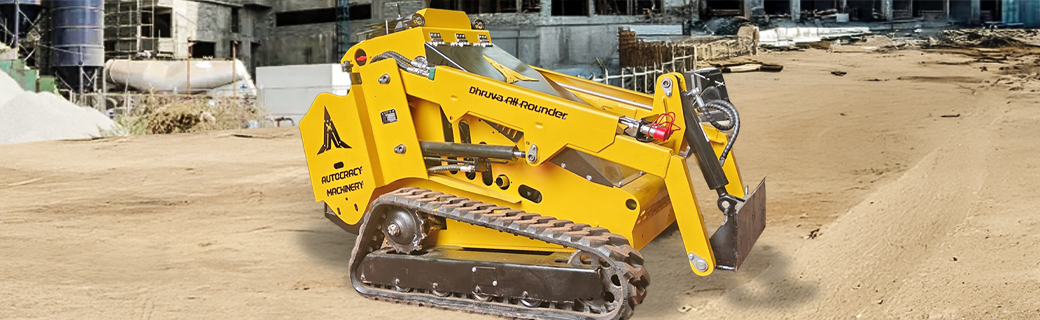
Self Propelled Multi Utility Machine | Equipment
Self-Propelled
Diesel
25 HP (18.8 kW)
Hydraulic Transmission
400 kg
30 L
Electric
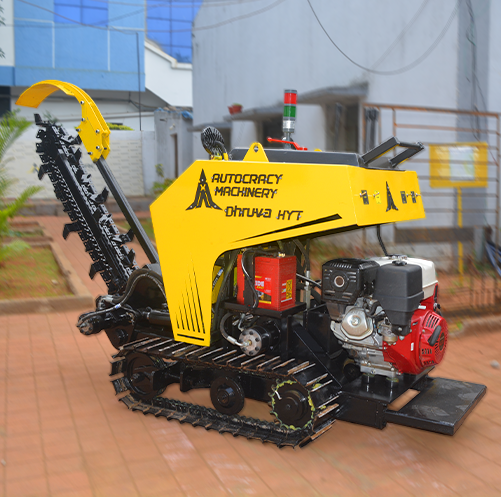
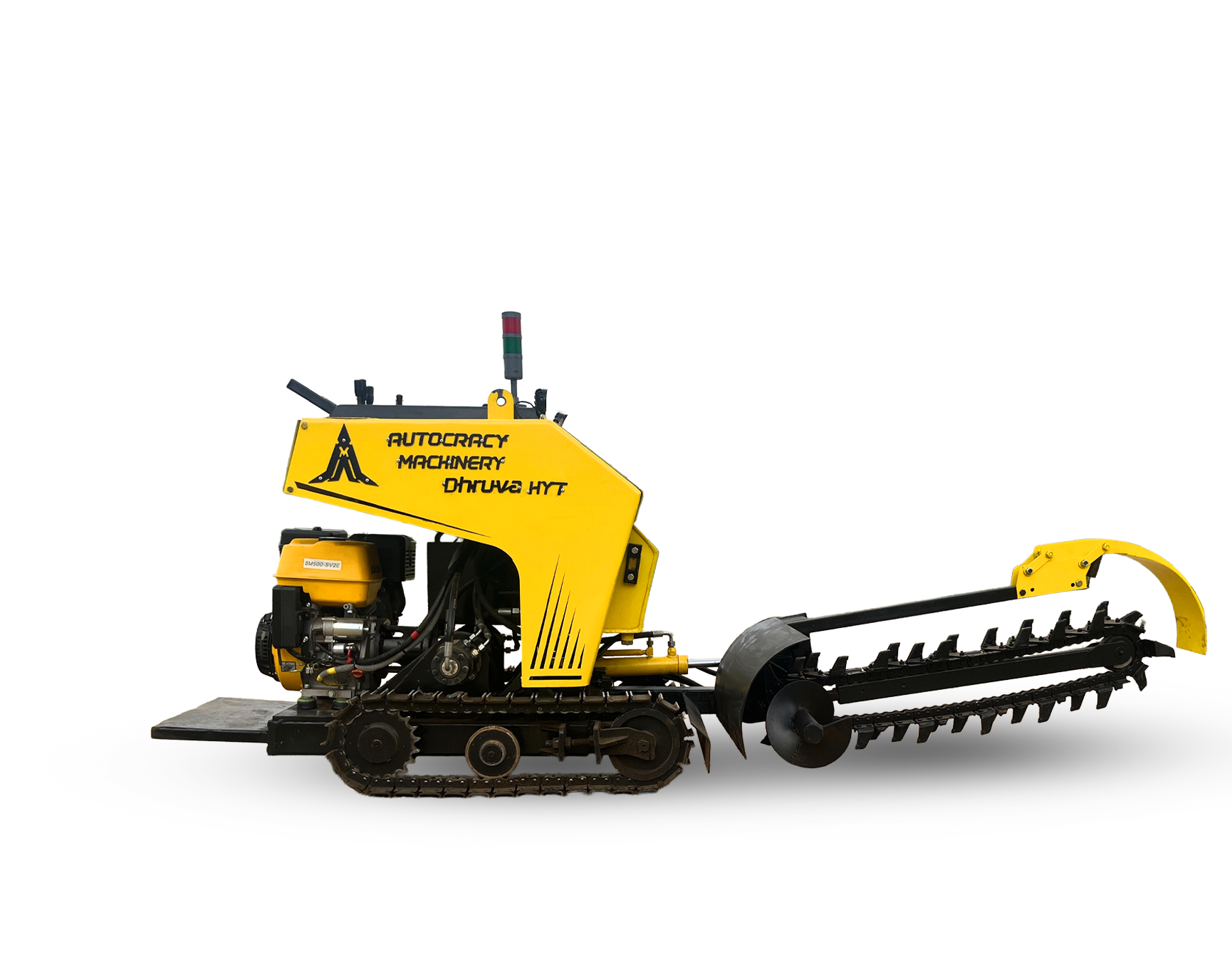
Rudra Prime Mini is configured for water pipeline, irrigation, and drainage trenching where controlled output and reliable site performance are essential.
Rudra Prime Mini helps teams working across rural pipeline routes, municipal utility lines, and field irrigation networks improve uniform pipeline beds, faster installation, and reduced manual excavation.
APPLICATION FIT
Suitable for water pipeline, irrigation, and drainage trenching across rural pipeline routes, municipal utility lines, and field irrigation networks.
Supports high route productivity for Water Management rollout programs.
Helps maintain uniform pipeline beds, faster installation, and reduced manual excavation for quicker installation and restoration.
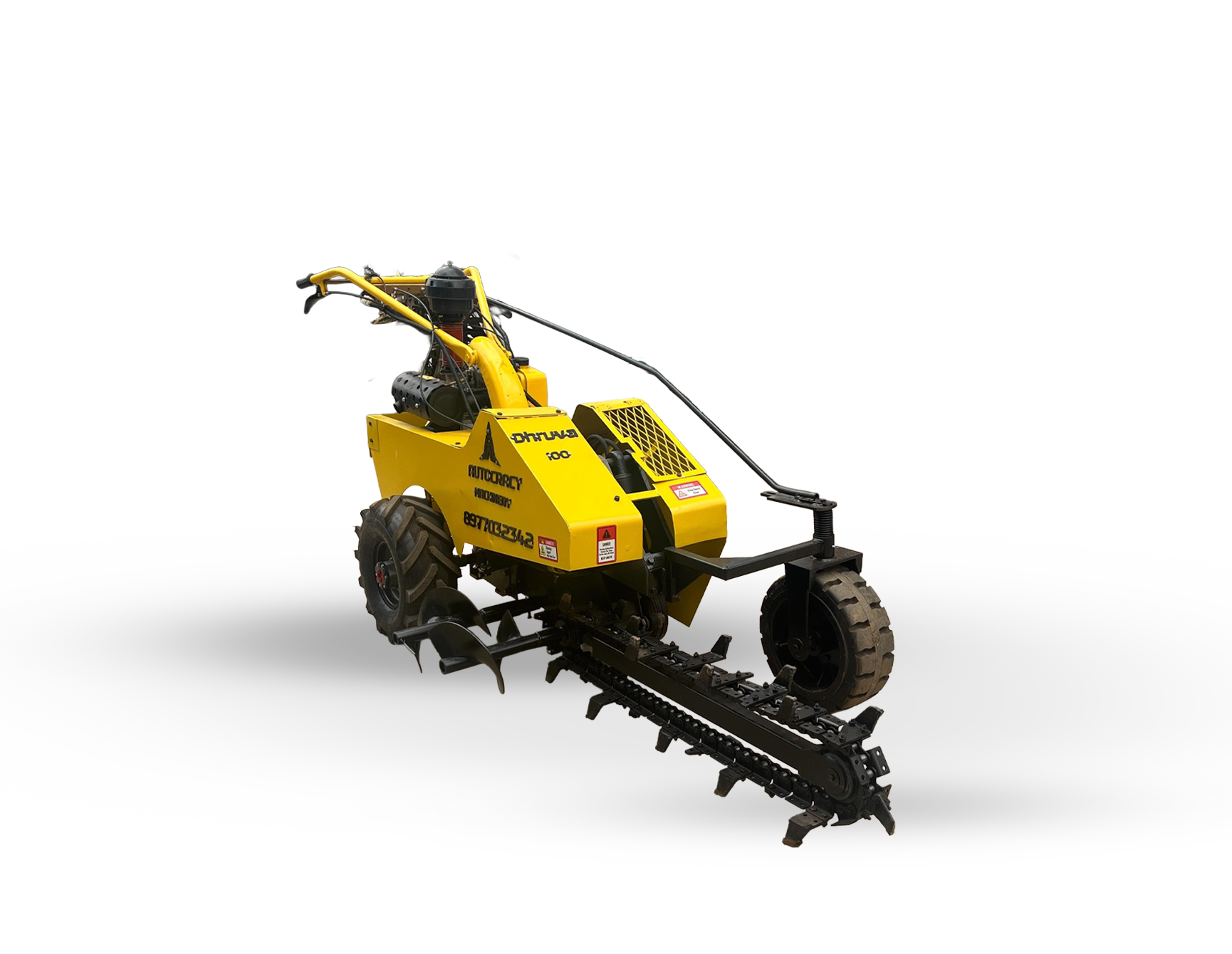
Walk Behind Trencher is used for water pipeline, irrigation, and drainage trenching where route consistency and execution speed directly impact rollout schedules.
Teams deploy Rudra Prime Mini across rural pipeline routes, municipal utility lines, and field irrigation networks with planning around pipe diameter, trench depth, soil moisture, route access, and reinstatement needs.
The machine helps maintain cleaner worksite output for pipe laying, jointing, testing, and backfilling teams.
PROJECT EXECUTION
Water Management
Walk Behind Trencher is used for water pipeline, irrigation, and drainage trenching where route consistency and execution speed directly impact rollout schedules.
Teams deploy it across rural pipeline routes, municipal utility lines, and field irrigation networks with planning around pipe diameter, trench depth, soil moisture, route access, and reinstatement needs.
The machine helps maintain cleaner worksite output for pipe laying, jointing, testing, and backfilling teams.
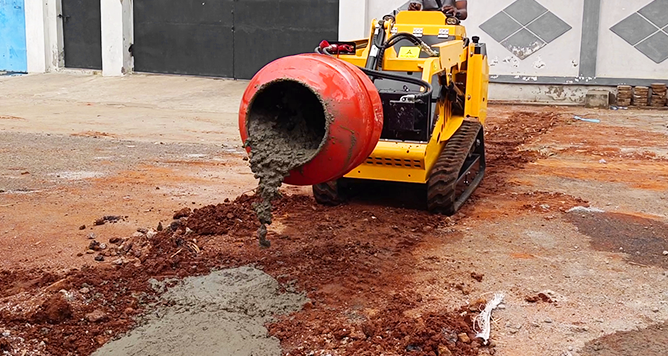
Water Management
Maintain consistent trench depth and alignment to reduce rework during water pipeline, irrigation, and drainage trenching and site reinstatement.
Plan route productivity based on pipe diameter, trench depth, soil moisture, route access, and reinstatement needs.
Use predictable trench output to improve handoff quality between pipe laying, jointing, testing, and backfilling teams.
WORKFLOW
Map route requirements, trench depth, and site access before deploying Rudra Prime Mini.
Use the attachment setup to keep trench output consistent across rural pipeline routes, municipal utility lines, and field irrigation networks.
Cleaner trench profiles help pipe laying, jointing, testing, and backfilling teams proceed with less rework.
Autocracy Machinery can help match machine configuration, brochure details, and application guidance to the project.
APPLICATION SUPPORT
Share your site conditions, output goals, and timeline so the Autocracy team can guide model fit, brochure details, and next steps for your project.
Built for performance. Trusted by contractors, municipalities, and EPC teams across sectors.
| Feature | Value |
|---|---|
| Model | 800 |
| Net Power | 18.8 kW |
| Working Pressure | 18 MPa |
| Travel Speed | 3 km/h |
| Working System Flow Rate | 62.4 L/min |
| Gross Weight | 1200 kgs |
| Overall Length (with GP Bucket) | 2700 mm |
| Overall Width | 980 mm |
| Overall Operating Height | 3050 mm |
| Overall Length (without Bucket) | 2100 mm |
| Wheelbase | 1180 mm |
Common questions about using Rudra Prime Mini in this application.
Rudra Prime Mini supports water pipeline, irrigation, and drainage trenching where consistent output, route control, and field productivity matter.
It is suited for work across rural pipeline routes, municipal utility lines, and field irrigation networks, especially where teams need uniform pipeline beds, faster installation, and reduced manual excavation.
Share pipe diameter, trench depth, soil moisture, route access, and reinstatement needs with Autocracy Machinery so the team can guide model fit, brochure details, and next steps.
Plan the work sequence from setup through pipe laying, jointing, testing, and backfilling teams, including site access, output targets, and support requirements.
Yes. Consistent trench output helps downstream teams handle installation, inspection, backfill, and restoration work with fewer corrections.
Project, operations, and site teams should confirm route access, output goals, trench dimensions, and support needs before deployment.