


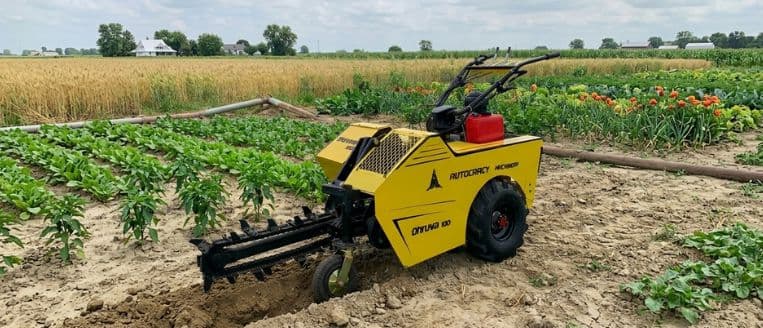
Most trenching work does not happen in open ground. It usually takes place near walls, inside narrow passages, or between existing structures. Moving equipment in these areas is not easy, and even basic positioning takes effort. A Walk Behind Trencher works well in such places because it can pass through tight sections without creating extra mess around the site.
On many sites, the problem is not the work but the lack of space to do it properly. When equipment is easy to handle, the operator can focus on the trench instead of adjusting the movement again and again. This keeps the work steady and avoids unnecessary disturbance near finished areas.
Working in a confined area means mistakes show up quickly. If the trench shifts even slightly, it affects the next step and usually leads to rework. Keeping the line straight and the depth consistent becomes more important in these conditions. A Mini Walk Behind Trencher gives the operator better control over the movement.
Instead of rushing through the section, the operator can move slowly and correct the line when needed. This results in a cleaner trench and reduces the chances of uneven cuts. It also saves time later because there is less need for correction work.
Many times, trenches are dug in places that are already in use. People may still be walking there, and some parts may already be built. In such places, rough handling can damage surfaces that took time to finish. Precision Mini Trenchers are helpful here because they allow controlled work in a fixed area.
The team can complete the trench without disturbing the surrounding space. This is important in locations like pathways or landscaped zones where restoration work can take extra time. Keeping the impact limited makes the entire process easier to manage.
Not every trenching job is large. Many tasks are small but still important, like laying cables or connecting short pipeline sections. These jobs come up regularly, and delays in these areas can affect the overall schedule. A Walk Behind Trencher helps handle such work without slowing things down.
It does not require much setup, and the team can start work almost immediately. Once the trench is done, they can move to the next task without wasting time. This keeps the daily workflow smooth and avoids unnecessary hold-ups on-site.
Large machines are not always the right choice, especially when space is tight. Turning, aligning, and repositioning takes more time than the actual trenching in some cases. This also increases the risk of hitting nearby structures. A mini walk-behind trencher is easier to manage in such situations.
It is built for short and narrow trenches where control matters more than reach. The operator can handle it without struggling for space, and the work gets done without adding pressure on the surroundings. This makes the process more straightforward.
Finishing the trench is only part of the job. The site also needs to be restored properly once the work is done. If the trench edges are rough or the soil is spread around, backfilling becomes difficult. Precision Mini Trenchers help keep the cut clean and reduce extra disturbance.
Because of this, the area can be closed faster and with less effort. This is especially useful in finished locations where appearance matters. A neat trench at the start makes the final stage much easier to handle.
Some sections on site are always difficult to reach. These are usually connection points or areas close to existing systems. Bringing large equipment into these spots is not always possible, and forcing it can create more problems. A Walk Behind Trencher allows work to continue in such areas without much trouble.
It can move into smaller gaps and still deliver a proper trench. This helps complete the work without leaving unfinished sections. It also reduces the need to look for alternative methods that may take more time.
Daily site work depends on tools that are simple and dependable. Complicated equipment often slows things down, especially when the job itself is small. A Mini Walk Behind Trencher supports routine work by keeping things easy to manage.
The operator does not have to spend extra time on setup or adjustments. This makes the work more consistent and reduces delays. Over time, this kind of reliability helps teams stay on schedule.
Site conditions are rarely perfect. There are always obstacles, limited access, and areas that need careful handling. Equipment should be able to deal with these conditions without making the job harder. Precision Mini Trenchers are suited for this kind of work.
Teams that handle trenching regularly often look for equipment that can manage these real site challenges without slowing them down. At Autocracy Machinery, the focus is on building solutions that match how work actually happens on the ground, including compact trenching equipment that supports steady and practical progress.


