


Route Planning
Map route requirements, trench depth, and site access before deploying Forklift 3T.
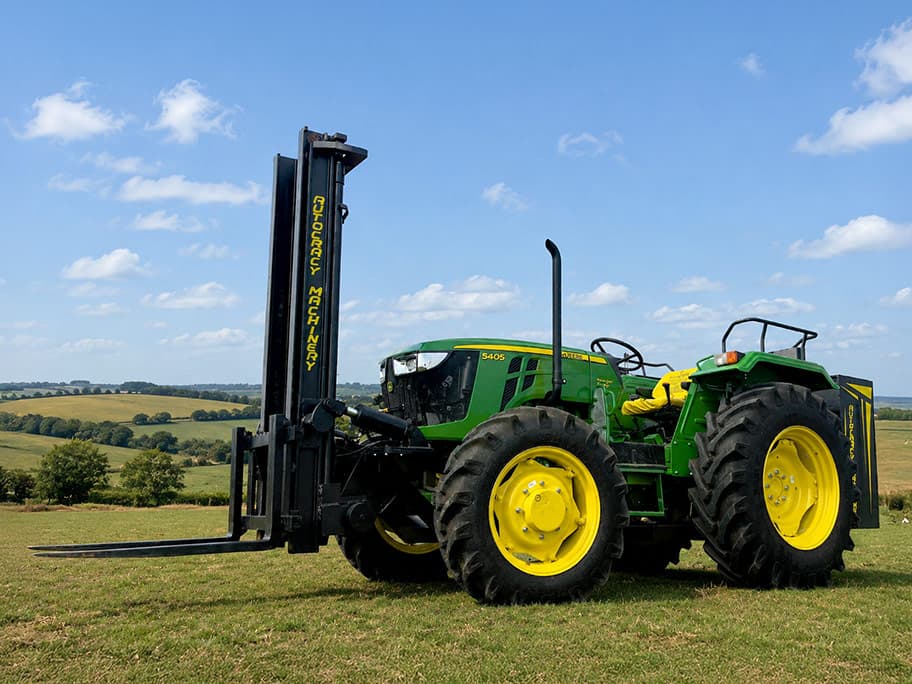
- | Attachment
Tractor
3000 kgs
up to 3000 mm
>90 HP
1220 mm
125 mm
1500 mm
Solar construction projects require reliable material movement solutions capable of supporting continuous installation activities across large and often undeveloped project sites. The Forklift 3T provides an efficient approach to handling solar modules, mounting structures, cable drums, inverters, transformers, combiner boxes, and associated electrical equipment throughout different stages of solar farm development. Its tractor-mounted design enables operators to transport loads across temporary access roads and active construction zones while maintaining operational flexibility.
The Forklift 3T solar material handling attachment is well suited for utility-scale solar projects involving distributed work areas where materials must be delivered efficiently to installation crews. By supporting controlled lifting and transportation activities, the attachment helps improve logistics planning and ensures critical project materials remain accessible throughout construction. This contributes to smoother site operations and supports effective resource deployment across large-scale solar developments.
PROJECT EXECUTION
Solar Energy
Solar infrastructure development involves the movement of diverse materials including cable reels, junction boxes, switchgear units, mounting assemblies, inverter components, and electrical equipment. Efficient logistics become increasingly important when multiple installation teams are operating simultaneously across solar arrays, inverter stations, and grid interconnection zones. Material availability at the point of installation is essential for maintaining project momentum.
The Forklift 3T solar logistics equipment supports the transportation of infrastructure materials within solar farms, substations, energy storage facilities, and grid connection projects. It assists contractors in distributing equipment between storage locations and active work zones while reducing manual handling requirements. This helps maintain workflow continuity and supports coordinated construction activities throughout utility-scale solar installations.
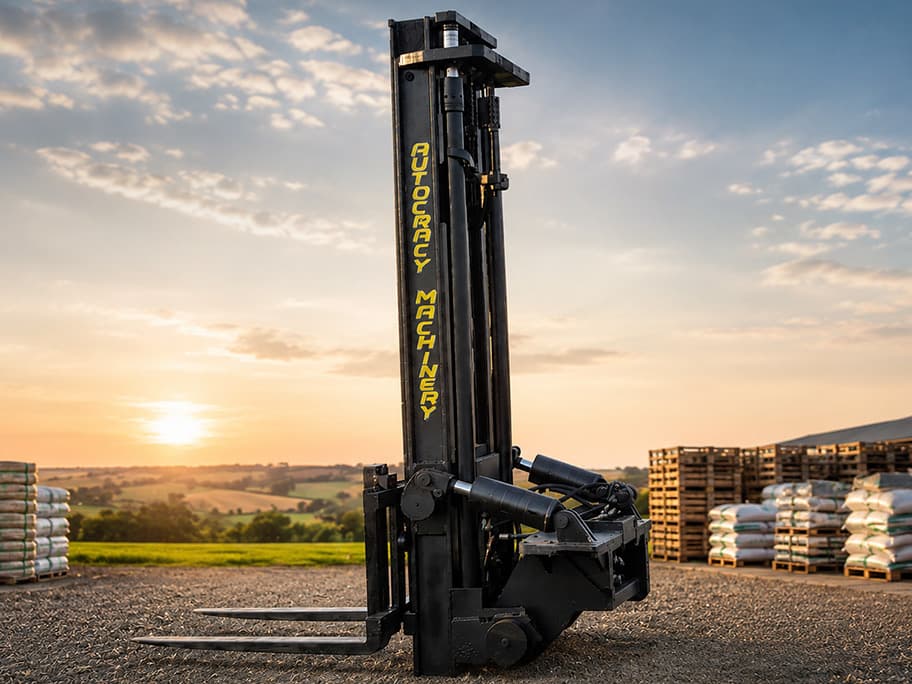
Solar Energy
The successful execution of solar projects depends on efficient coordination between material supply, equipment deployment, and installation activities. Delays in internal logistics can affect construction schedules and create operational inefficiencies across multiple project phases. Reliable material handling solutions therefore play an important role in maintaining productivity and supporting planned construction sequences.
The Forklift 3T utility scale solar lifting equipment assists project teams by enabling efficient movement of solar components, electrical equipment, and installation materials throughout the construction process. Its mobility and lifting capability support effective resource allocation across varied site conditions. For EPC contractors, solar developers, and project managers, this contributes to improved operational control and helps facilitate the timely delivery of utility-scale solar infrastructure projects.
WORKFLOW
Map route requirements, trench depth, and site access before deploying Forklift 3T.
Use the attachment setup to keep trench output consistent across solar park rows, inverter blocks, and power evacuation corridors.
Cleaner trench profiles help cable laying, earthing, backfilling, and commissioning teams proceed with less rework.
Autocracy Machinery can help match machine configuration, brochure details, and application guidance to the project.
APPLICATION SUPPORT
Share your site conditions, output goals, and timeline so the Autocracy team can guide model fit, brochure details, and next steps for your project.
Built for performance. Trusted by contractors, municipalities, and EPC teams across sectors.
| Feature | Value |
|---|---|
| Overall length | 1200 mm |
| Attachment Total Weight | 850 – 1100 kg |
Common questions about using Forklift 3T in this application.
Industry model fit in India
Forklift 3T is listed here for project teams in India planning solar energy work with tractor attachments. Selection should come down to carrier fit, operating method, array layout, cable depth, tracker clearance, soil profile, and commissioning milestones, and whether the machine supports repeatable output, cable-route accuracy, panel-field access, and EPC schedule control.
For Solar Energy work, compare Forklift 3T against array layout, cable depth, tracker clearance, soil profile, and commissioning milestones before finalising equipment deployment, because these details decide whether the machine fits the route, access, and daily output target.
Forklift 3T may suit DC cable trenches, earthing routes, tracker support works, inverter corridors, and solar EPC utilities when access, output goals, support arrangements, and follow-on crews line up with the job.
Use the page to move from specification review into a clearer discussion about solar energy suitability, brochure details, field support, and quotation requirements.
For tractor attachments, check tractor compatibility, hydraulic requirement, lift target, load handling pattern, and turnaround space together with solar parks, cable corridors, pile rows, open sites, and long internal utility runs; this helps separate a suitable solar energy setup from a generic model match.
