


Route Planning
Map route requirements, trench depth, and site access before deploying Forklift 5T.
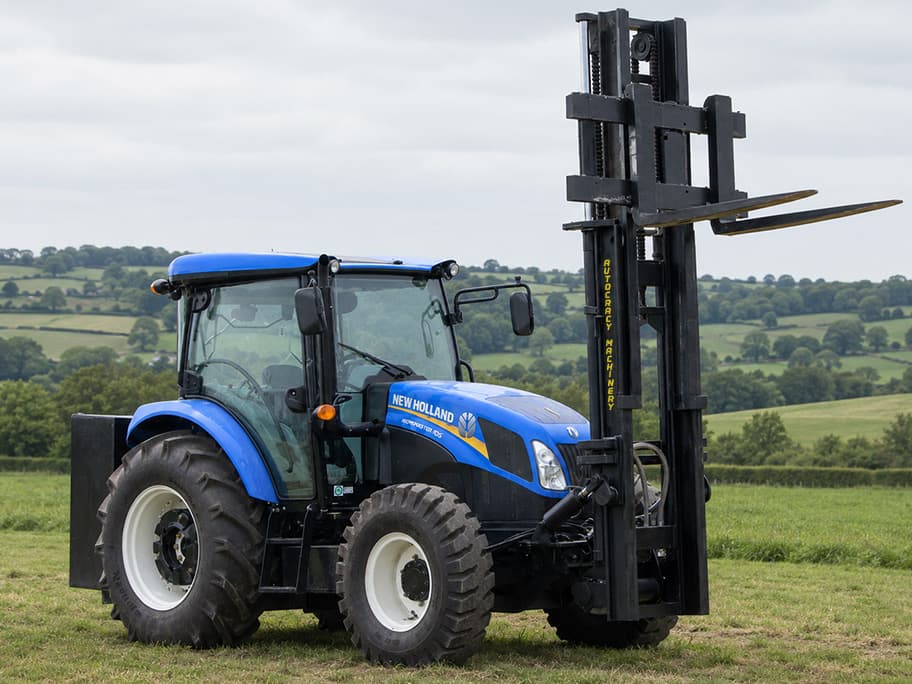
- | Attachment
Tractor
5000 kgs
3000–4000 mm
110 HP
1220 – 1300 mm
150 mm
1800 – 2100 mm
Utility-scale solar projects require efficient material handling to support the installation of solar modules, mounting structures, cable drums, inverters, transformers, combiner boxes, and associated electrical infrastructure across large project sites. The Forklift 5T provides a practical lifting and transportation solution that enables solar contractors to move critical project materials efficiently using existing tractor fleets.
The Forklift 5T solar material handling attachment is designed to support daily logistics operations throughout solar farm construction. Its tractor-mounted configuration allows operators to transport heavy materials across temporary access roads, graded work areas, and active installation zones while maintaining productivity across multiple project locations. By improving material availability at the point of installation, the attachment helps support streamlined project execution and efficient resource utilization.
PROJECT EXECUTION
Solar Energy
Solar project development involves continuous movement of materials from storage yards to installation areas. Solar panels, mounting components, cable reels, inverter stations, transformers, junction boxes, and electrical assemblies must be delivered efficiently to maintain construction schedules and support coordinated installation activities.
The Forklift 5T solar cable handling attachment assists with transporting cable drums and electrical equipment across solar farm developments. It supports material distribution between laydown areas, module installation zones, inverter locations, and substation work fronts. By facilitating efficient on-site logistics, the attachment helps reduce material movement delays and supports uninterrupted construction progress throughout the project lifecycle.
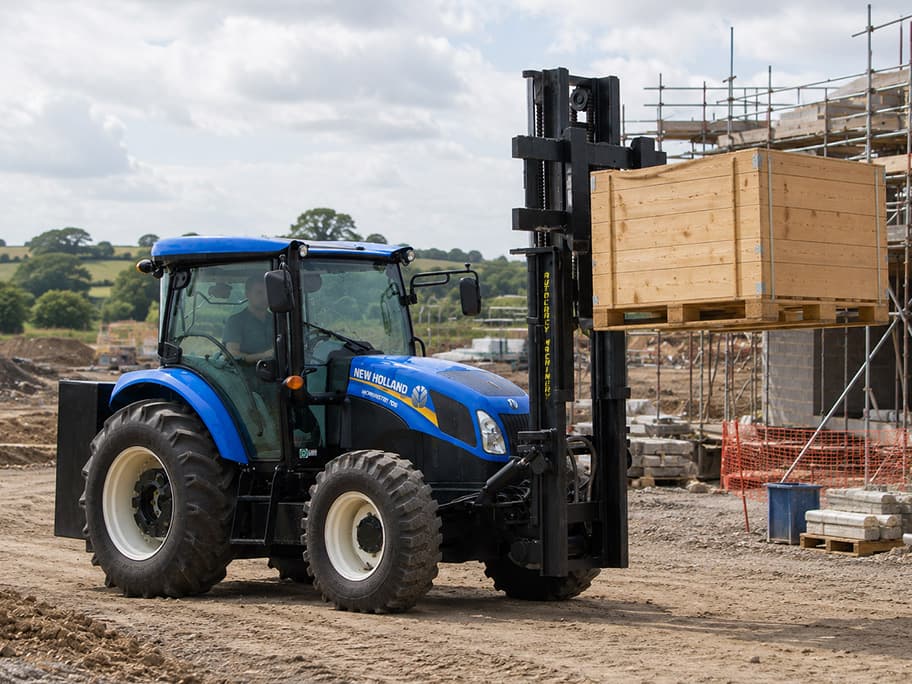
Solar Energy
Large-scale solar developments depend on effective site logistics to ensure construction materials are available when required. Delays in moving modules, electrical equipment, or installation components can affect workforce productivity and extend project timelines. Reliable lifting and transportation capabilities therefore play an important role in maintaining construction continuity across expansive solar sites.
The Forklift 5T utility scale solar lifting equipment supports the movement, loading, unloading, and positioning of solar project materials throughout the construction process. Its ability to operate across varying site conditions enables contractors to maintain efficient material flow between storage areas and installation locations. For solar EPC contractors, project developers, and construction managers, this contributes to improved site coordination, optimized logistics operations, and efficient delivery of utility-scale solar infrastructure.
WORKFLOW
Map route requirements, trench depth, and site access before deploying Forklift 5T.
Use the attachment setup to keep trench output consistent across solar park rows, inverter blocks, and power evacuation corridors.
Cleaner trench profiles help cable laying, earthing, backfilling, and commissioning teams proceed with less rework.
Autocracy Machinery can help match machine configuration, brochure details, and application guidance to the project.
APPLICATION SUPPORT
Share your site conditions, output goals, and timeline so the Autocracy team can guide model fit, brochure details, and next steps for your project.
Built for performance. Trusted by contractors, municipalities, and EPC teams across sectors.
| Feature | Value |
|---|---|
| Overall length | 1200 mm |
| Attachment Weight | 1500 – 2200 kg |
Common questions about using Forklift 5T in this application.
Industry model fit in India
For Solar Energy deployment on India project sites, Forklift 5T is considered when a attachment must handle solar parks, cable corridors, pile rows, open sites, and long internal utility runs. The model should be reviewed against tractor-based lifting, handling, loading, and support tasks that need flexible site deployment, repeatable output, cable-route accuracy, panel-field access, and EPC schedule control, and the way crews hand work over after each pass.
The first comparison for Forklift 5T should be array layout, cable depth, tracker clearance, soil profile, and commissioning milestones, because those factors usually decide field fit before horsepower, headline capacity, or attachment choice.
Forklift 5T can support DC cable trenches, earthing routes, tracker support works, inverter corridors, and solar EPC utilities, depending on route condition, access, output target, operator workflow, and site support availability.
This model page is meant to support a more practical conversation about solar energy fit, brochure review, transport planning, deployment timing, and quote needs.
A better solar energy shortlist connects tractor compatibility, hydraulic requirement, lift target, load handling pattern, and turnaround space with solar parks, cable corridors, pile rows, open sites, and long internal utility runs, so Forklift 5T is reviewed against the actual job sequence.
