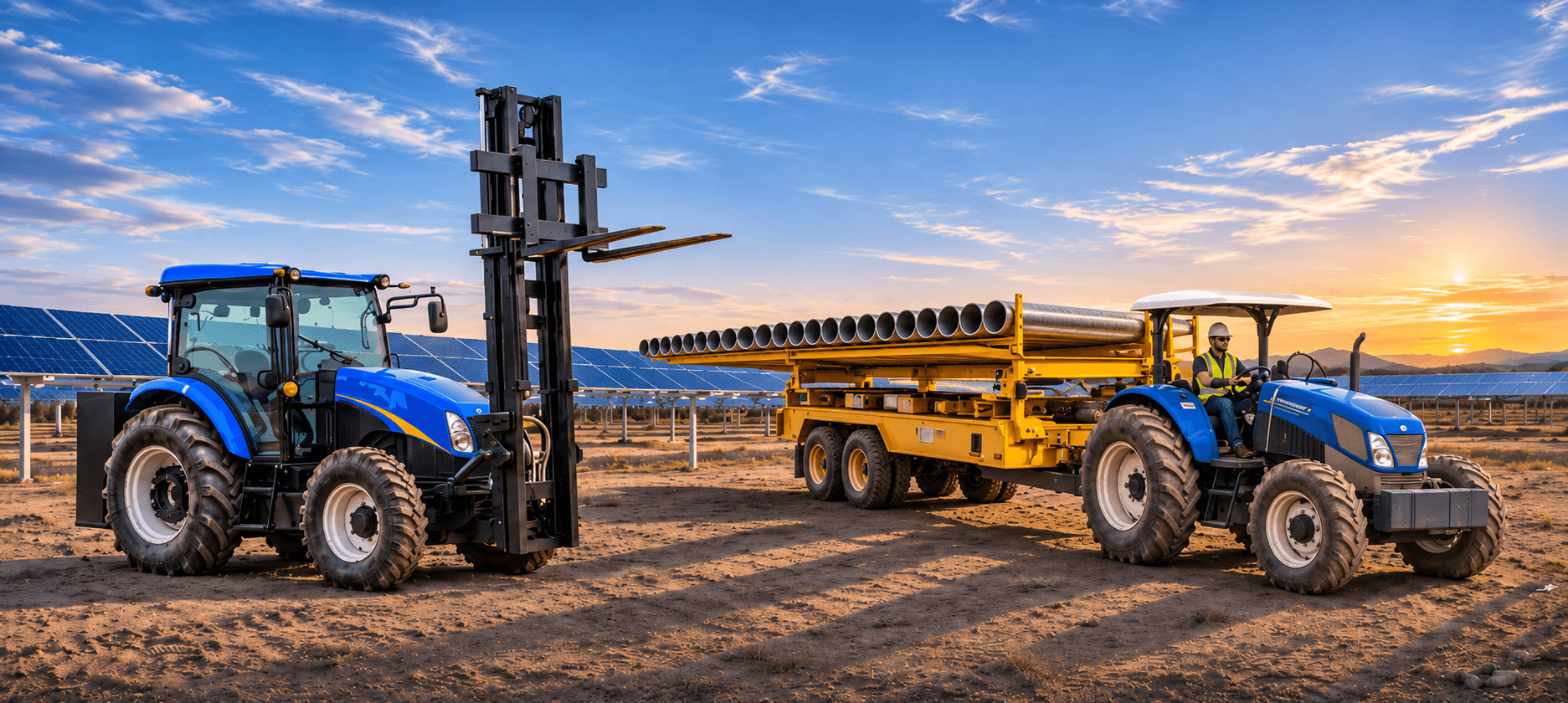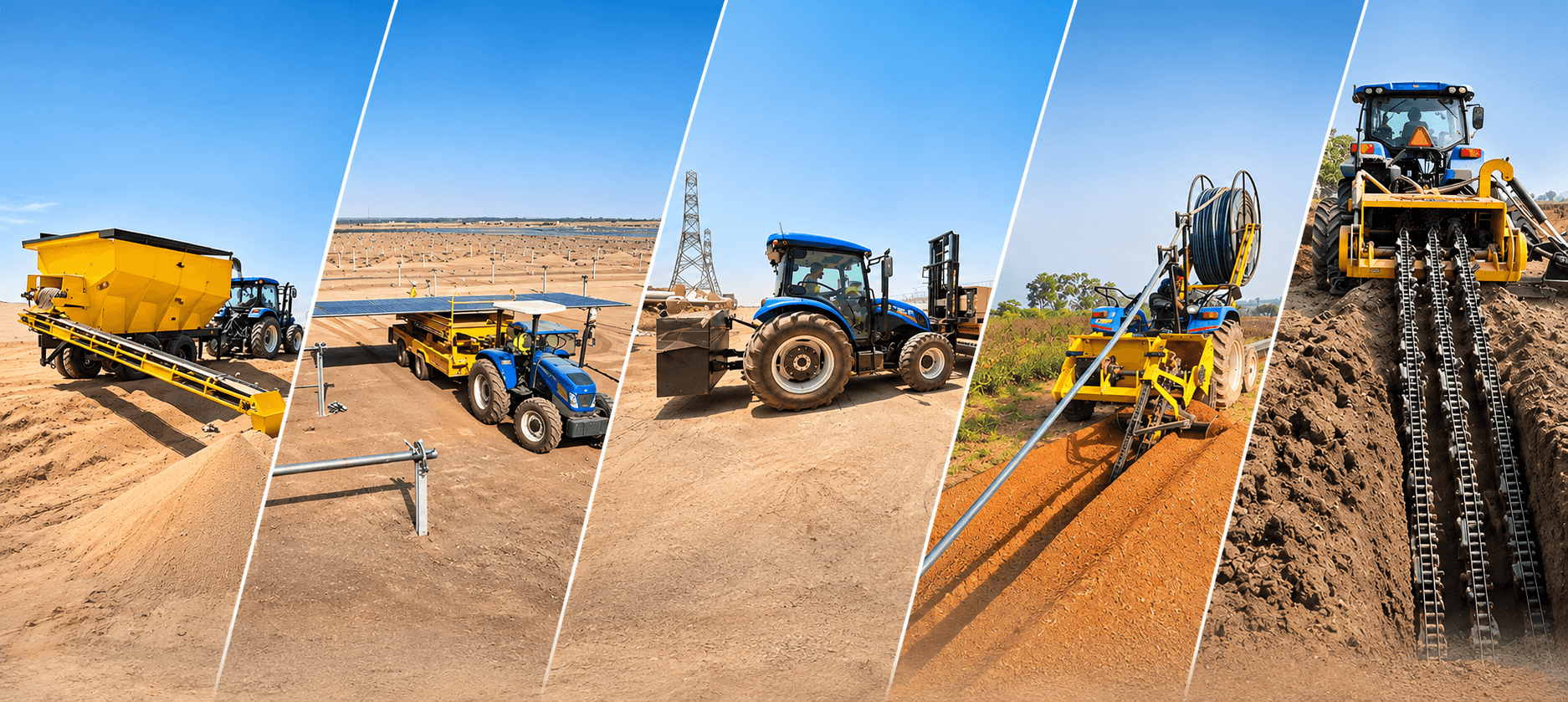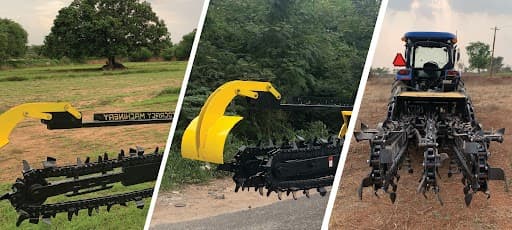
The substance encasing a cable is not merely the last stage of trench filling; it is an essential element of the installation procedure. Underground cables facilitate the transmission of electricity throughout solar farms by connecting various components of the setup. The method of backfilling and padding the trench can impact both the quality of the trench and the safety of the underground cable.
Sand padding is frequently used when installing solar cables after the cables have been placed in prepared trenches. The chosen material should comply with the cable installation requirements of the project. Inconsistent application of this method may lead to patchy coverage, greater physical exertion, and difficulties with trench repairs.
For solar EPC firms overseeing large cable networks, effective sand positioning is a crucial aspect of construction planning. Employing appropriate solar sand filler tools can assist in organizing material distribution, enhancing placement uniformity, and facilitating the coordination of cable installation tasks.
Understanding the Role of Sand Padding in Solar Cable Installation
Underground cable installation involves several stages, including trench excavation, cable laying, bedding preparation, padding, and backfilling. Each stage contributes to the quality of the completed cable route.
Sand padding refers to the technique of surrounding underground cables with an appropriate layer of selected material. Before backfilling the remaining trench, this material can provide a protective layer over the cable and a bedding layer underneath, depending on the project's specifications.
Sand placement, nonetheless, encompasses more than merely filling the trench. The material's distribution needs to be managed throughout the whole route, ensuring it meets the requirements for cable installation.
Cable tunnels may span several installation zones in large solar farms. It can be challenging to achieve uniform placement across lengthy periods when sand is moved and dispersed by hand. This is especially important when multiple cable routes are being planned at the same time.
A well-planned padding operation helps ensure that the material is available and placed at the appropriate stage of cable installation.
Supporting Cable Protection
The specified bedding and padding material helps protect underground cables from direct contact with unsuitable surrounding soil and potential mechanical stress. Its effectiveness depends on the material grading, placement thickness, and installation method specified for the project.
Maintaining Consistent Coverage
Uneven material distribution can create variations along the cable route. Controlled sand placement helps maintain more consistent coverage, subject to the trench profile and project requirements.
Improving Site Coordination
Trench rehabilitation and cable laying are closely related tasks. Delays in sand padding may also have an impact on later backfilling operations. Effective coordination of these operations is facilitated by well-organized material placement.
Reducing Manual Material Handling
Sand must be dispersed throughout several trench sections for large solar projects. Workforce needs may rise as a result of frequent manual spreading and moving. Continuous material placement can be supported by appropriate cable sand padding equipment, which also lessens the need for manual spreading.
Exploring Equipment for Solar Cable Sand Padding
The equipment used for sand padding should match the trench dimensions, material requirements, working distance, and project scale.
For smaller or limited trench sections, manual material placement may be practical. However, large solar farms with extensive cable routes require a more organised approach to material handling and distribution.
A conveyor-based solar cable sand padding machine can help manage bulk material placement by moving the selected material from a hopper to the required trench section.
Solar Sand Padding Machine: Supporting Controlled Material Placement
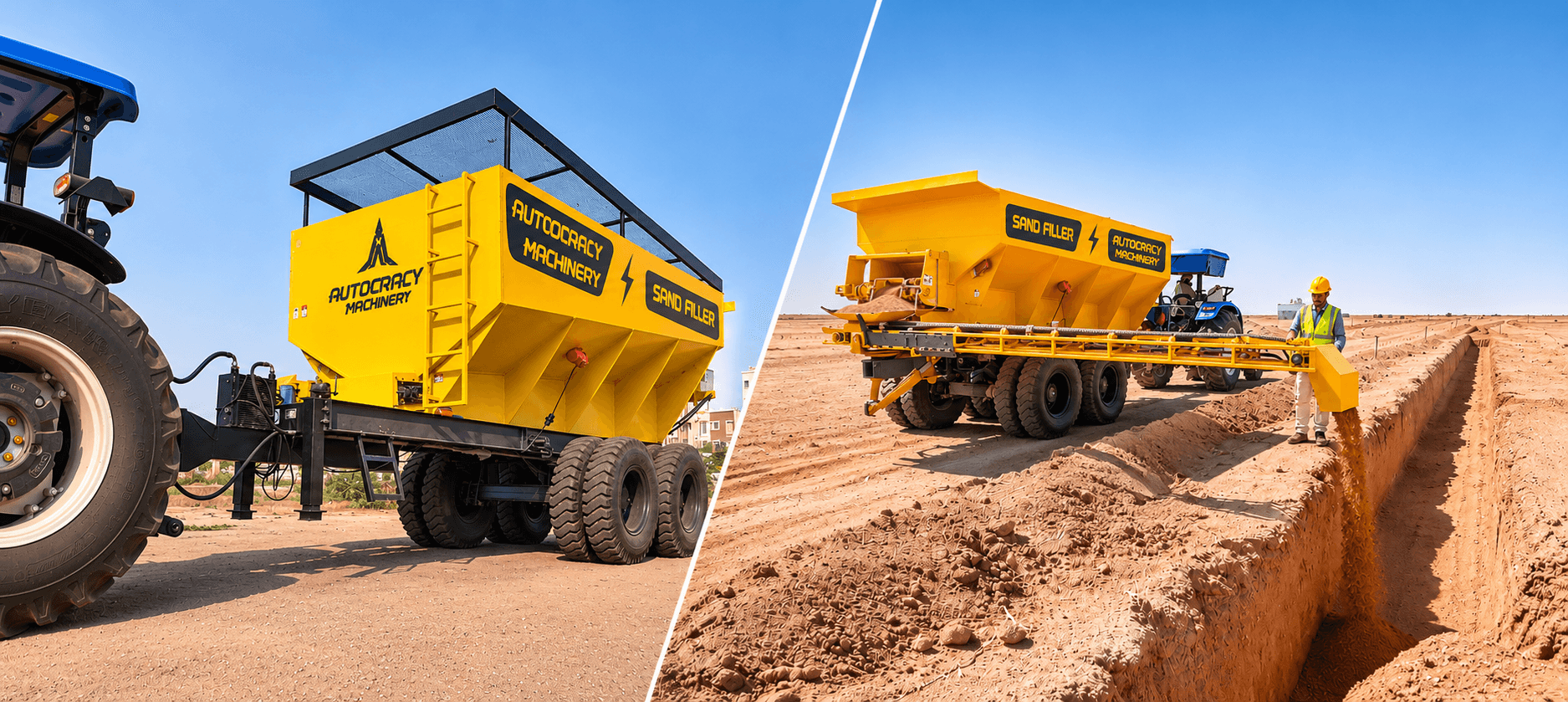
The Solar Backfilling Machine (Sand Filler) by Autocracy Machinery is made for trench padding and backfilling in projects, underground utility work and infrastructure tasks. This machine has a hopper and a hydraulic conveyor system that moves sifted sand, gravel, earth and crushed stone dust.
The conveyor helps move materials so workers do not need to stop and manually spread the material again and again.
When laying cables the sand filler places the right amount of padding material over the cable trenches. It can handle materials up to 25 mm in size, which means it can adjust the grading to match what the project needs.
The machine can carry up to 15 tons, which lets it hold a lot of material during trench padding. This is useful, for cable routes, where stopping to refill material could slow things down or cause delays.
The widths of its primary and secondary conveyor belts are 600 mm and 350 mm, respectively. The conveyor system is engineered to facilitate regulated material movement during installation.
The distance of the conveyor is 5.5 m, and the height of the installed conveyor above the ground varies from 1.4 m to 3 m. These factors are important when assessing the needs for material positioning and access at the job site. The Sand Filler works with a compatible tractor having more than 75 HP via a PTO or hydraulic drive system.
By incorporating this equipment into the cable installation workflow, solar EPC teams can coordinate sand distribution with trenching and cable laying activities more effectively.
How the Sand Filler Parameters Support Solar Cable Padding
Different machine parameters contribute to material handling and placement operations.
15-Ton Loading Capacity
The machine's loading capacity supports the handling of substantial quantities of padding material. This is relevant for projects with long trench sections where material availability needs to be coordinated with ongoing cable installation.
2.2 m Hopper Width
The hopper width supports the loading of bulk materials into the machine. A suitable loading arrangement helps prepare the equipment for continuous material placement.
600 mm and 350 mm Conveyor Belt Widths
The primary and secondary conveyor belts facilitate material movement through the machine. Their configuration supports controlled conveying during padding and backfilling operations.
5.5 m Conveyor Distance
The conveyor distance is an important consideration when planning material placement around prepared trench sections. It helps project teams assess the equipment's suitability for their site layout.
1.4 m to 3 m Conveyor Height
The adjustable erected conveyor height provides a range of material discharge positions. The required position should be determined according to trench accessibility and the intended material placement method.
Tractor Above 75 HP with PTO / Hydraulic Transmission
The Sand Filler is designed to work with a compatible tractor and power transmission arrangement. Solar EPC teams should evaluate tractor availability and compatibility before planning deployment.
These parameters should be assessed together rather than selecting equipment based on loading capacity alone.
How to Organise Sand Padding Across Large Solar Sites
Selecting the solar cable insulation tools is just one part of a successful installation process. The way materials are organized access, to trenches and how the team works together also affect the operation.
Solar EPC teams can start by figuring out where the cables will go and where sand padding is needed. This helps decide where the supplies should be and how the equipment should move between work areas.
Coordinate Padding with Cable Laying
Sand padding should be planned alongside cable installation. Once the cables are laid and inspected as required, the padding operation can proceed according to the project's installation sequence.
Prepare the Required Material
The material used for padding should comply with the project specifications. Sand, gravel, soil, or crusher dust may be handled by the Sand Filler, but the suitability of the material depends on the cable installation design.
Plan Material Distribution
For large solar farms, material may be stored at designated locations before being transported to the cable routes. Planning the movement of material helps reduce unnecessary handling and interruptions.
Project teams should consider the following factors before selecting equipment:
Cable Trench Dimensions: The trench width, depth, and cable arrangement influence the required material placement method.
Material Specifications: The grading and type of padding material should comply with the cable installation design.
Material Handling Capacity: The required loading capacity depends on the length of the cable routes and the volume of material involved.
Conveyor Reach and Discharge Height: These parameters help determine whether the machine can access the intended trench sections and place material appropriately.
Power Source Compatibility: The tractor horsepower and PTO or hydraulic configuration should match the equipment requirements.
Site Conditions: Ground accessibility, working space, material storage locations, and movement routes should be considered during equipment planning.
Evaluating these factors helps solar EPC teams identify equipment that fits their installation workflow rather than relying on general machine specifications.
Conclusion
Sand padding plays a crucial role in the installation of underground cables in extensive solar farms. The material around the cables needs to be chosen and arranged based on the project specifications to ensure cable safety and appropriate trench restoration.
Managing material delivery via extensive cable connections may turn into a crucial operational necessity as solar projects grow across wider areas.
Suitable solar sand padding tools assist in managing this task by facilitating controlled material movement and lessening reliance on manual spreading.
Preparing sand padding for a future solar setup? Examine the Autocracy Machinery Solar Sand Filling Machine and talk about your project needs with the team.
FAQs
1. Why is sand padding important in solar cable installation?
Sand padding helps provide suitable bedding and covering around underground cables as specified by the project design. Proper material selection and placement contribute to cable protection and trench installation quality.
2. What is a solar sand padding machine used for?
A solar sand padding machine is used to distribute suitable padding materials along underground cable trenches during solar installation and utility projects.
3. What materials can the Autocracy Machinery Sand Filler handle?
The machine is designed to handle screened sand, gravel, soil, and crusher dust. The material used for cable padding must meet the project's specifications.
4. What is the loading capacity of the Autocracy Machinery Solar Sand Padding Machine?
The sand filler has a loading capacity of 15 tons.
5. How does conveyor-based sand padding equipment help solar EPC teams?
It supports continuous material movement and controlled placement along trench sections, helping reduce manual spreading and improve coordination.